Lagman is the pride of Central Asian cuisine — a noodle soup that brings together Eastern flavors with traditional craftsmanship. This dish has captivated diners for centuries, with its roots tracing back to the Silk Road.
Historical Origins
Lagman originates from Central Asia, particularly Uzbekistan, Kyrgyzstan, and Kazakhstan, and has ties to Chinese culinary traditions. Hand-pulled noodles are a fundamental part of Chinese cooking. Silk Road merchants spread noodle recipes throughout Central Asia, where locals adopted them and adapted the dish to regional tastes.
Variations of Lagman
The main components of lagman are:
- •Noodles: Hand-pulled noodles form the base
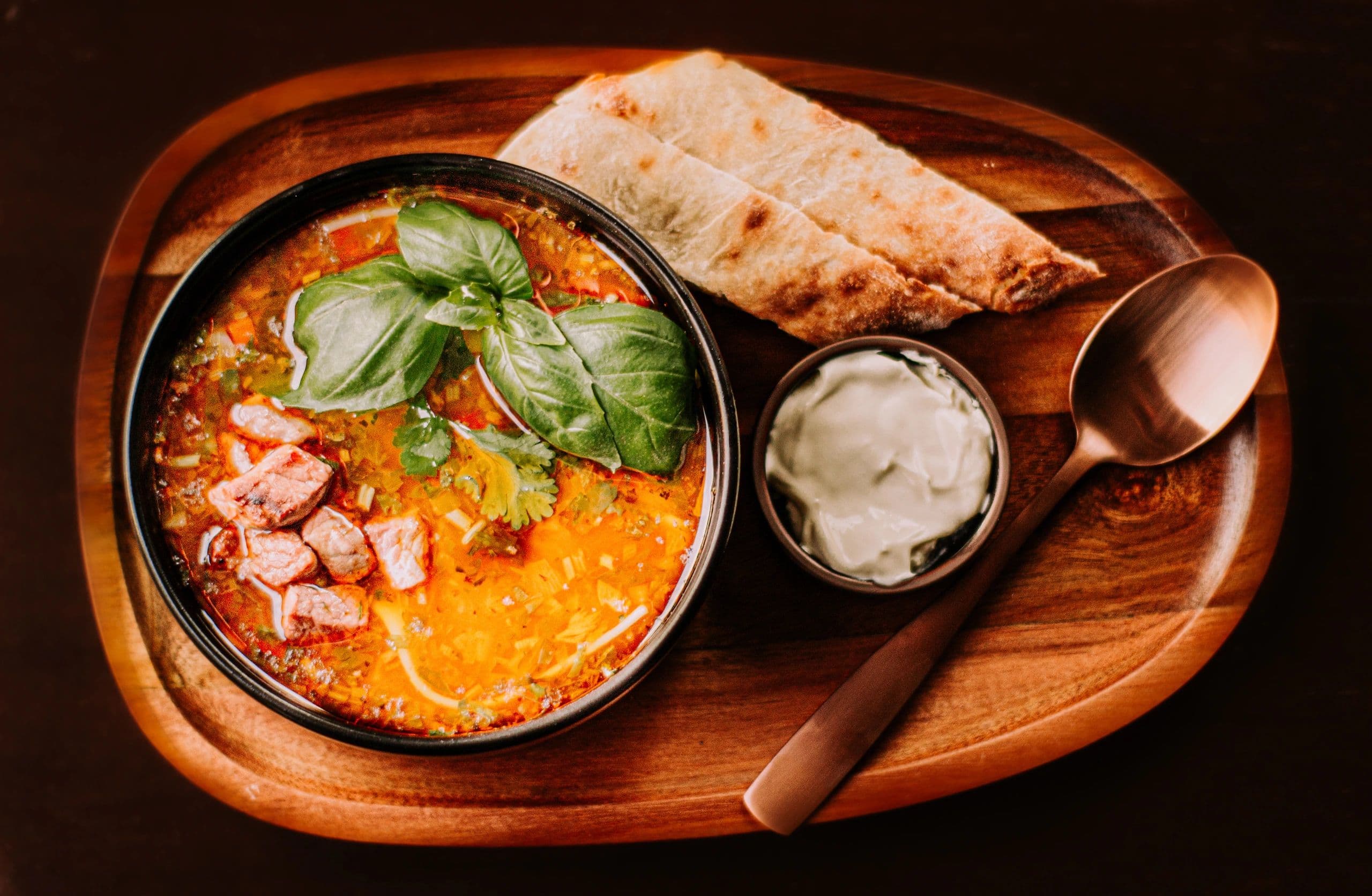
- •Protein and vegetables: Lamb or beef, along with bell peppers, tomatoes, onions, and fresh ingredients
- •Spices: Eastern spices such as garlic, cumin, and chili that bring depth and complexity
Cultural Significance
Lagman represents communal dining in Central Asian cultures, where families gather together to prepare noodles. It serves both everyday meals and festive occasions throughout the region.
Caspian's Approach
The restaurant prepares lagman with respect for traditional methods while incorporating modern seasonings. Handmade noodles and fresh ingredients ensure quality. Slow simmering allows the flavors to fully integrate, and it is served steaming hot with fresh bread.